

Root Canal Therapy in Ste. Genevieve, MO
Helping Save a Damaged or Infected Tooth
Root canal therapy, also called endodontic therapy, may be recommended when the inside of a tooth becomes inflamed or infected. This can happen because of deep decay, cracks, trauma, or other damage. When the tooth can be treated predictably, root canal therapy may help preserve the natural tooth instead of removing it.
Ste. Genevieve Family Dental Care performs root canal therapy in-office for anterior teeth and premolars only. Molar root canals are referred out to a specialist. This scope should be clear to patients because different teeth have different root shapes and levels of complexity. If your tooth is outside the office scope, You will have time to understand why specialist care is recommended.

When a Root Canal May Be Needed
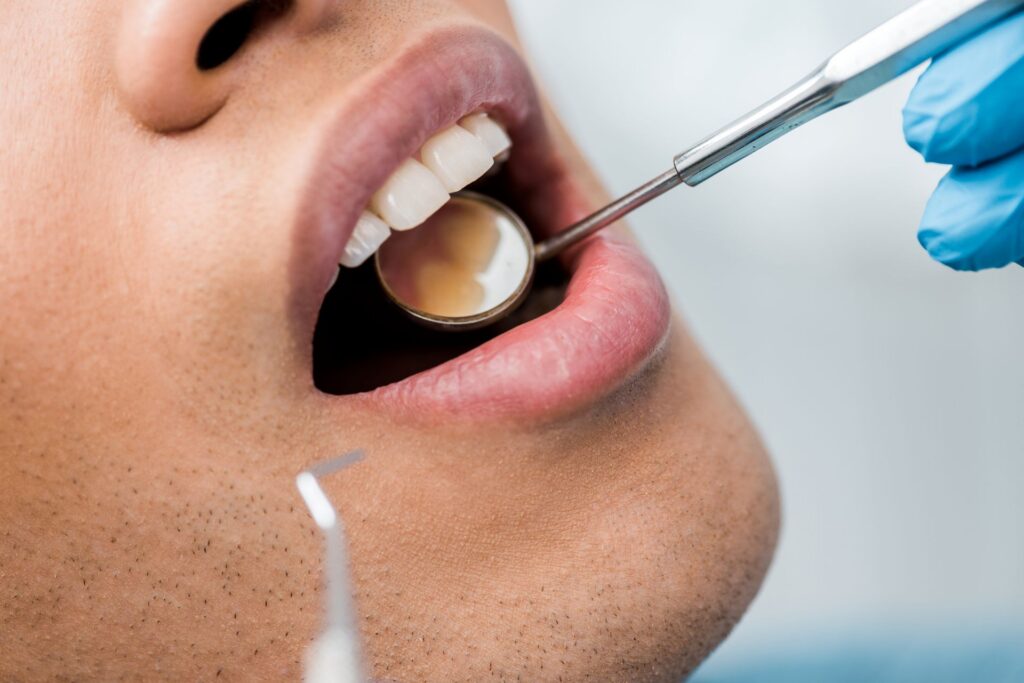
Symptoms that may lead to a root canal evaluation can include lingering sensitivity, tooth pain, swelling, tenderness when biting, or a tooth that has been deeply damaged. Some teeth that need root canal therapy may not cause obvious symptoms at first, which is why exams and X-rays are important. The dentist must evaluate the tooth, surrounding bone, and overall condition before making a recommendation.
In certain cases, in-house CBCT imaging may be used for root canal evaluation. A 3D view can help the dentist review the tooth and surrounding anatomy when more information is needed. Not every root canal case requires CBCT imaging, but it can be useful in selected situations.
How the Process Works
During root canal therapy, the infected or inflamed tissue inside the tooth is removed, the inside of the tooth is cleaned and shaped, and the space is sealed. The details of the appointment depend on the tooth, the diagnosis, and whether additional restoration is needed. The process is reviewed before treatment begins so the patient understands what is being done and why.
After root canal therapy, many teeth need a final restoration, such as a crown, to help protect the tooth. The recommended restoration depends on the tooth location and how much healthy structure remains. A root canal treats the inside of the tooth, but the outside still needs enough strength and protection for everyday function. If the tooth cannot be restored predictably, extraction and replacement options may need to be discussed instead.
Why Saving the Tooth May Matter
When a tooth can be saved predictably, root canal therapy may help preserve the natural tooth, maintain chewing function, and avoid a gap in the smile. Keeping the natural tooth is not always possible, but it is often worth evaluating before deciding on extraction.
If root canal therapy is not appropriate for the tooth or is outside the office scope, If referral or extraction is recommended, the reason and replacement options can be discussed before moving forward. The goal is to choose the path that best supports the patient’s long-term oral health.
What to Expect After Treatment
After root canal therapy, some tenderness can be expected while the area settles. The dentist will explain what is normal, what should improve, and when to call with concerns. Patients should also follow instructions about chewing on the tooth until the final restoration is complete.
A properly restored tooth still needs routine dental care. Checkups allow the dentist to monitor the restoration, bite, and surrounding tissues over time.
Frequently Asked Questions About Root Canal Therapy
What teeth do you treat with root canal therapy?
In-house root canal therapy is limited to anterior teeth and premolars.
What happens if my tooth needs a molar root canal?
Molar root canals are referred to a specialist.
Will I need a crown after a root canal?
Many teeth need a final restoration after root canal therapy. The recommendation depends on the tooth location and how much healthy tooth structure remains.
Request a Tooth Pain Evaluation
If you have tooth pain or have been told a tooth may need root canal therapy, contact our office to request an evaluation.