

Periodontal Gum Therapy in Ste. Genevieve, MO
Care for Gum Health
Healthy gums are essential to long-term oral health. Gum inflammation can affect comfort, bleeding, breath, tooth support, and the stability of existing dental work. Periodontal therapy focuses on treating and managing gum disease, helping patients reduce inflammation, and creating a maintenance plan that supports healthier tissue over time.
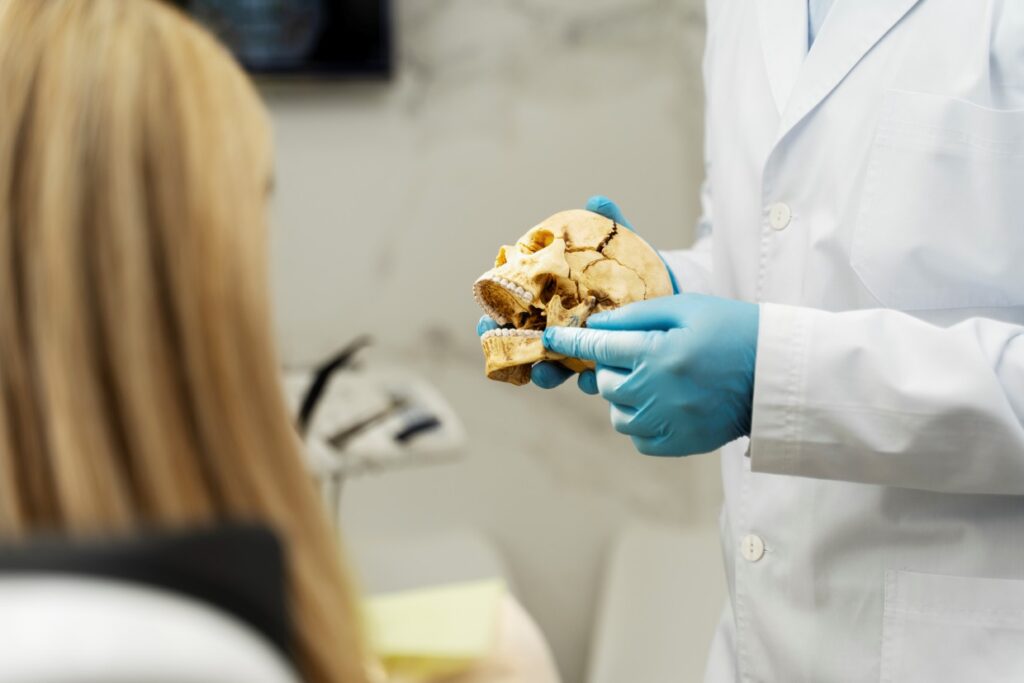
At Ste. Genevieve Family Dental Care, periodontal recommendations are based on an evaluation of the gums, bone support, plaque and tartar buildup, pocket depths, bleeding, and other risk factors. Some patients only need routine preventive cleanings. Others need more focused gum therapy before returning to a maintenance schedule. The team will explain what they see and why a specific level of care is being recommended.

Treatment Options
Periodontal care may include scaling and root planing, often called deep cleaning, periodontal maintenance, local antibiotic therapy, and peri-implantitis treatment. Scaling and root planing is performed using a combination of ultrasonic Cavitrons and laser therapy when appropriate. This type of treatment is designed to clean below the gumline and around the tooth roots in areas where routine cleaning is not enough.
Local antibiotic therapy may be recommended in certain areas when the dentist or hygienist determines it is appropriate. The goal is to support the periodontal treatment plan, not to replace the need for professional cleaning or home care. Dr. Dubina and the team will explain what is being recommended and how it fits into the patient’s overall gum health plan.
Peri-Implantitis Care and Maintenance
Peri-implantitis is inflammation around an existing dental implant. In selected cases, inflammation around implants may be treated using laser cleaning and localized bone grafting. Severe cases are referred out to a periodontist. Because dental implants still depend on healthy surrounding tissue and bone, patients with implants should take inflammation seriously and keep up with recommended maintenance visits.
After periodontal therapy, many patients need periodontal maintenance visits on a schedule recommended by the dentist or hygienist. These appointments are different from routine cleanings because they are focused on managing gum disease and monitoring areas that have already shown signs of periodontal breakdown. Home care is also important. Brushing, flossing or using recommended cleaning aids, and returning for maintenance visits all work together to support gum health.
Why Maintenance Matters
Gum disease is often a long-term condition that needs ongoing management. After active therapy, maintenance visits help the team monitor pocket depths, bleeding, buildup, and changes around teeth or implants. These visits are a key part of protecting the progress made during treatment.
Patients can also use maintenance appointments to ask about home-care tools, brushing technique, flossing aids, and ways to clean around dental work. Small daily habits can make a meaningful difference when combined with professional periodontal care.
Signs to Bring Up at Your Visit
Patients should mention bleeding gums, persistent bad breath, gum tenderness, tooth looseness, gum recession, or discomfort around implants. These symptoms do not always mean advanced disease, but they are worth evaluating.
Early conversations can help patients understand whether they need routine cleaning, periodontal therapy, maintenance care, or referral. The sooner gum concerns are evaluated, the more clearly the team can explain the options.
Small Signs Are Worth Mentioning
Bleeding gums, tenderness, bad breath, gum recession, or changes around an implant are all worth bringing up. Gum concerns are often easier to address when they are discussed early and followed with the right maintenance plan.
Frequently Asked Questions About Periodontal Therapy
What is scaling and root planing?
Scaling and root planing is a deeper cleaning below the gumline that helps remove buildup from tooth roots and inflamed gum areas.
Do you treat peri-implantitis?
Some peri-implantitis cases may be treated with laser cleaning and localized bone grafting. Severe cases are referred out to a periodontist.
Will I need periodontal maintenance?
Many patients who receive gum therapy need ongoing periodontal maintenance visits. The recommended schedule depends on your gum health needs.
Schedule a Gum Health Evaluation
If your gums bleed, feel tender, or need ongoing maintenance, call today or send us a message to request an appointment.