

Dental Crowns in Ste. Genevieve, MO
Protecting and Rebuilding a Damaged Tooth
A dental crown, sometimes called a cap, covers the visible portion of a tooth when the tooth needs more support than a filling can provide. Crowns may be recommended for teeth that are cracked, worn down, weakened, heavily filled, or treated with root canal therapy. The purpose is to help restore the tooth’s strength, shape, and function while protecting the remaining tooth structure as much as possible.
At Ste. Genevieve Family Dental Care, crown recommendations are made after an exam and discussion of the tooth’s condition. The evaluation considers the amount of healthy tooth remaining, the bite, the location of the tooth, the patient’s oral habits, and whether other treatment should be considered. A crown is not always the only option. In some cases, a filling, extraction, bridge, implant, or specialist referral may be more appropriate.
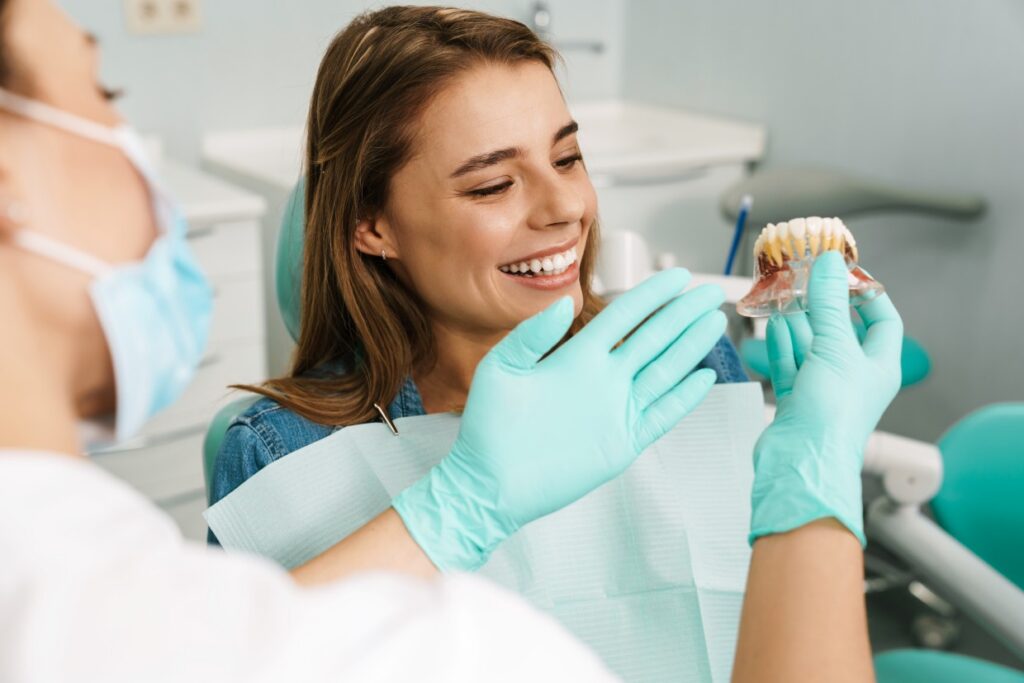

Crown Materials
The primary crown material used by the practice is zirconia. E-Max and porcelain-fused-to-metal crowns are also available. Each material has different strengths and appearance considerations. For example, the best choice for a back tooth that takes heavy chewing forces may be different from the best choice for a tooth that shows more when you smile. The material recommendation is based on tooth location, bite forces, appearance goals, and clinical needs.
The material discussion is also a good time to ask questions about shade, durability, how the crown will feel, and what to expect after the tooth is restored. The goal is to create a restoration that supports function and looks appropriate for the area being treated.
How Crowns Are Made
Dental crowns are custom-fabricated by a partner dental lab. Same-day or in-office crown milling is not offered. This means the process usually involves preparing the tooth, taking the necessary records, placing a temporary restoration when appropriate, and then delivering the final crown after the lab has completed it.
A lab-made crown requires attention to fit, bite, and comfort. Once the final crown is ready, the dentist checks how it seats on the tooth, how it contacts nearby teeth, and how it meets the opposing teeth when you bite. If adjustments are needed, they are made before the visit is complete. Good home care and regular dental visits help protect both the crown and the tooth underneath it.
When to Ask About a Crown
A crown evaluation is helpful when a tooth keeps breaking, has a large filling, feels weak when chewing, or has been treated with a root canal. It is also worth asking about a crown if you have been told a tooth may not have enough structure left for another filling. The earlier the tooth is evaluated, the easier it may be to compare restorative options before the problem becomes more urgent.
We will walk you through whether a crown is being recommended to protect the tooth, restore function, improve appearance, or support another treatment plan. If the tooth cannot be restored predictably, we will discuss that honestly and review the next appropriate options.
Protecting Your Investment
A crown protects a tooth, but it does not make the tooth immune to future problems. The edge where the crown meets the tooth still needs to be kept clean, and the surrounding gums need regular care. If a patient grinds or clenches, that habit may also affect how a crown holds up over time.
Routine checkups allow the dentist to monitor the crown, bite, and tooth underneath. If something feels high, loose, sensitive, or different when chewing, patients should call the office so the restoration can be evaluated.
A Conservative Mindset When Possible
A crown is recommended when it makes sense for the tooth, not simply because a tooth has a problem. If a smaller restoration, specialist evaluation, or different treatment path is more appropriate, that should be part of the conversation before care begins.
Frequently Asked Questions About Dental Crowns
How do I know if I need a dental crown?
A crown may be recommended when a tooth is cracked, weakened, heavily filled, worn down, or treated with root canal therapy. An exam helps determine whether a crown or another option makes more sense.
Are crowns made in the office?
No. Crowns are custom-fabricated by a partner dental lab.
Do you offer same-day crowns?
No. Same-day or in-office crown milling is not offered.
Request a Crown Evaluation
If a tooth feels weak, cracked, or heavily restored, call today or send us a message to request an evaluation before the problem becomes more urgent.